
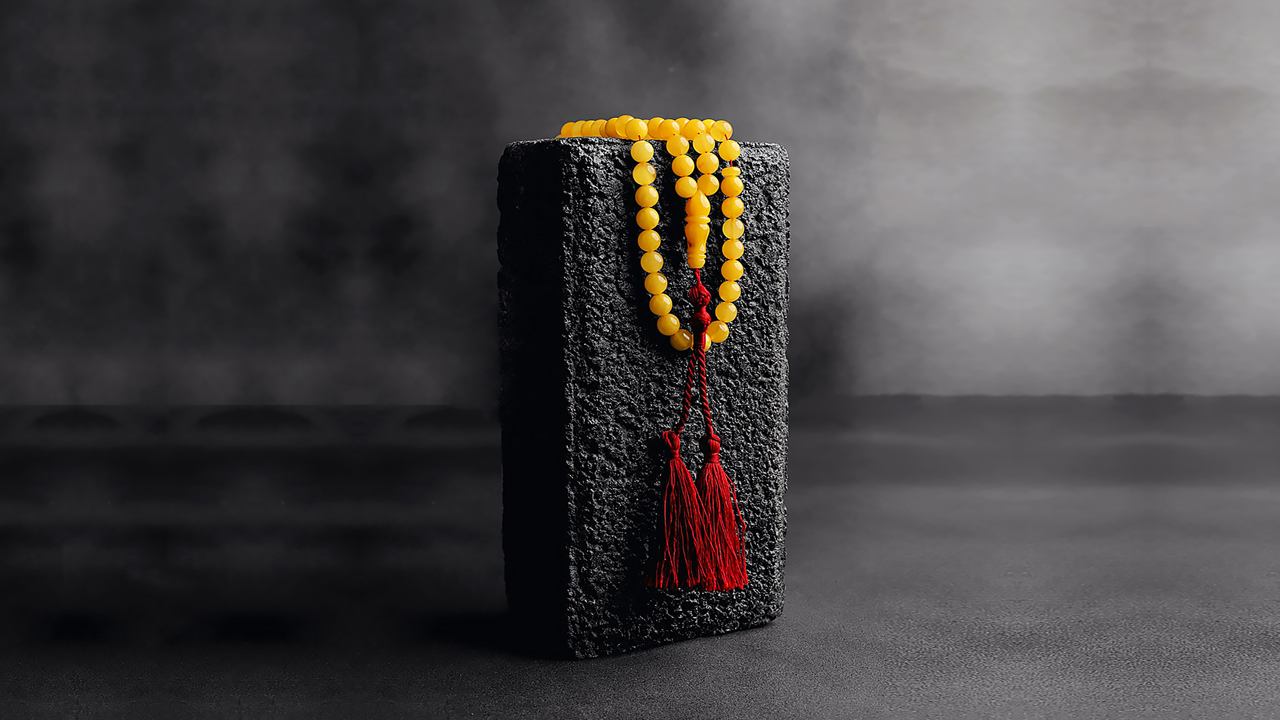
The tasbeeh — the string of prayer beads — is one of the most iconic objects in the Islamic spiritual tradition. Used across the Muslim world to count the repetitions of dhikr (remembrance of Allah), the tasbeeh is far more than a counting tool. It is a tangible link to the practice of the Prophet ﷺ and his companions, and modern science is beginning to confirm what spiritual tradition has always known: regular repetitive prayer reduces stress and promotes wellbeing.
The Prophetic Tradition
The Prophet Muhammad ﷺ encouraged his companions to remember Allah frequently. When his daughter Fatima (RA) complained about the hardship of household work, he taught her to recite Subhanallah 33 times, Alhamdulillah 33 times, and Allahu Akbar 34 times before sleeping — a practice that, he said, would be better for her than a servant. This formula — known as the Tasbih of Fatima — is among the most widely practised dhikrs in the Islamic world.
Verily, in the remembrance of Allah do hearts find rest. — Al-Quran (13:28)
Science and Dhikr
Contemporary research in neuroscience and psychology supports the calming effects of repetitive, rhythmic prayer. The practice activates the parasympathetic nervous system, slowing the heart rate and reducing cortisol levels. It produces what researchers call the "relaxation response" — a state of deep rest that counters the physiological effects of stress.
The tasbeeh thus serves as both a spiritual tool and, in today's terminology, a mindfulness device — keeping the practitioner anchored in the present moment and connected to the divine presence.